21/ November 2025
Application of DC surge arresters in rail transit: A core barrier protecting the safety of DC systems
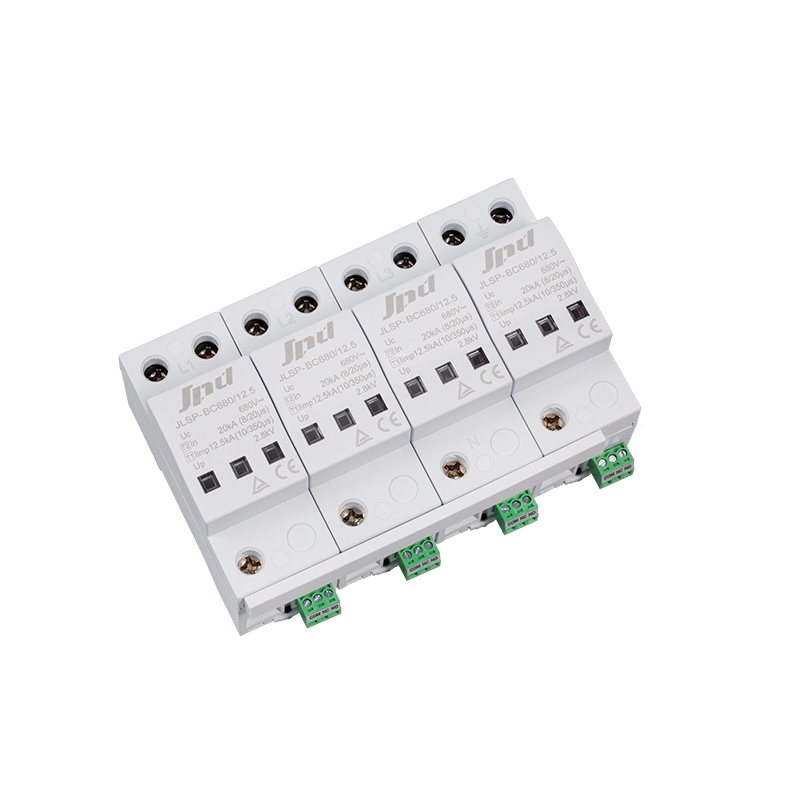
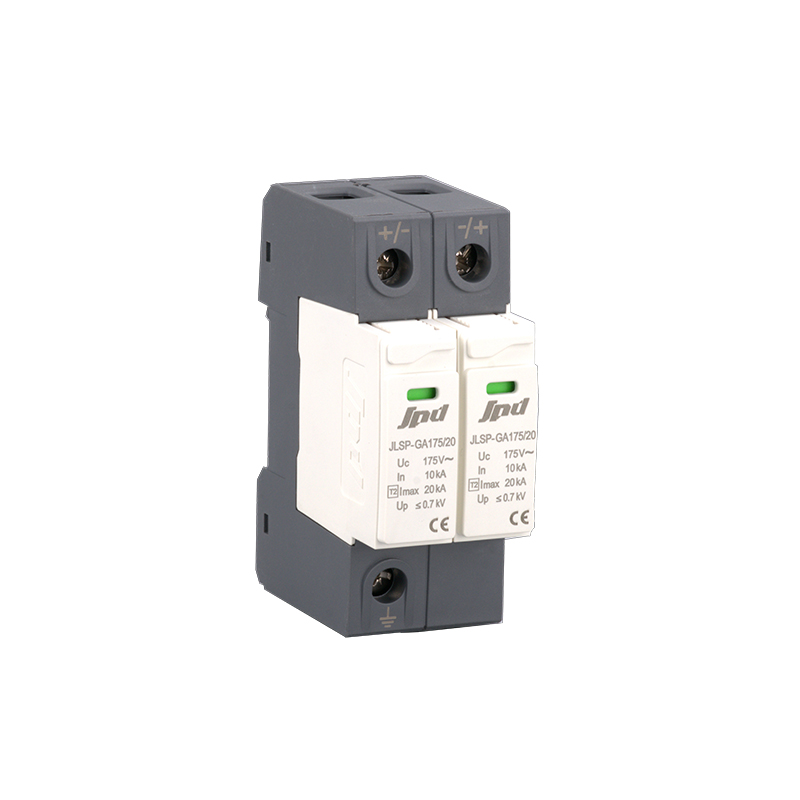
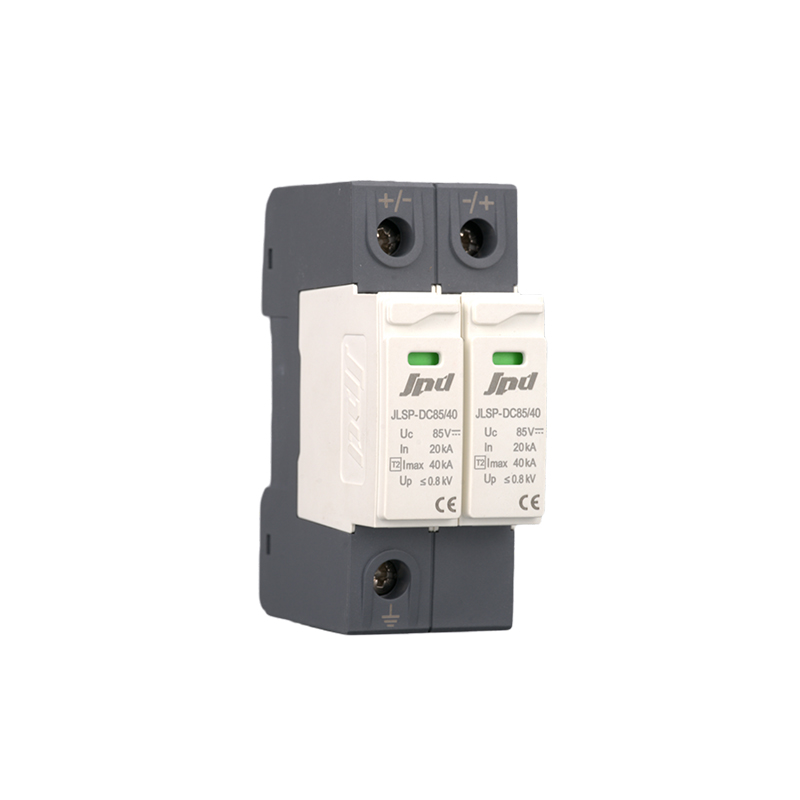
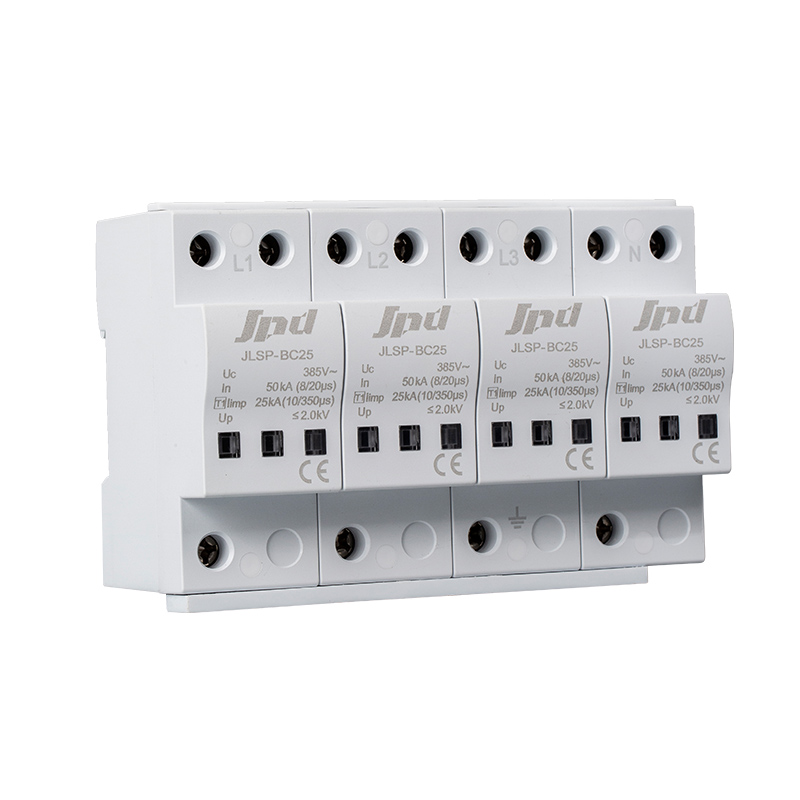
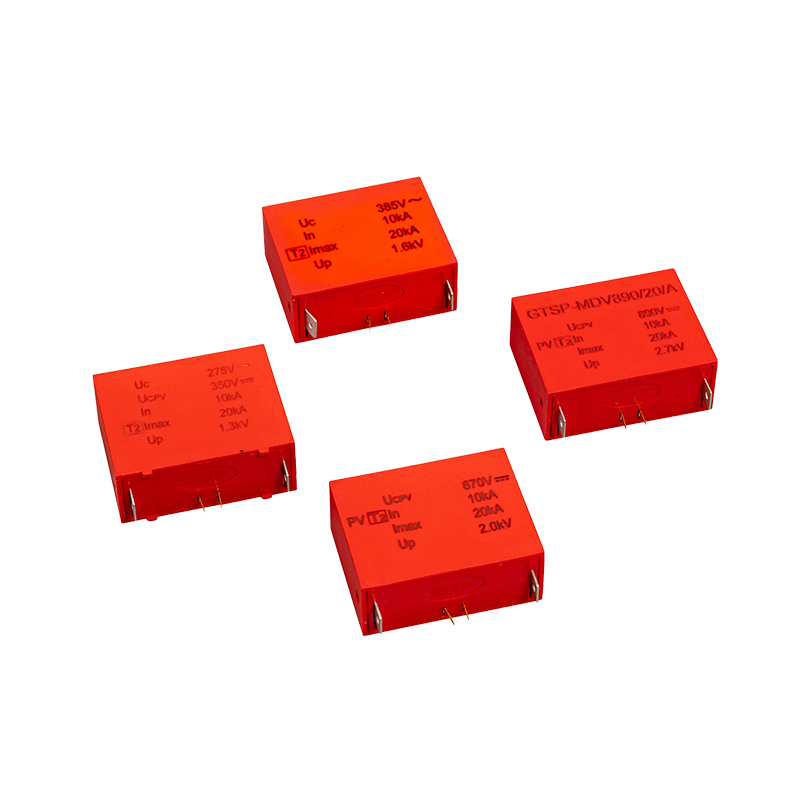
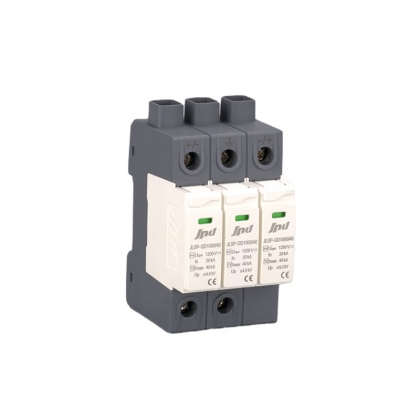
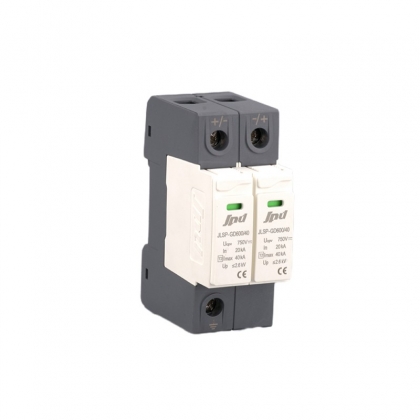
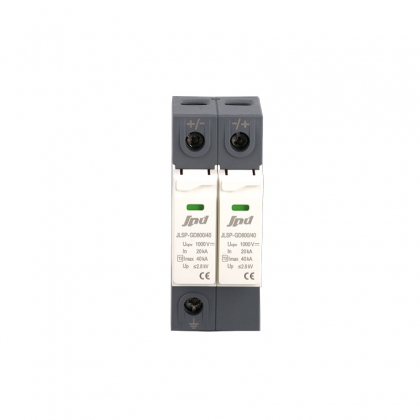
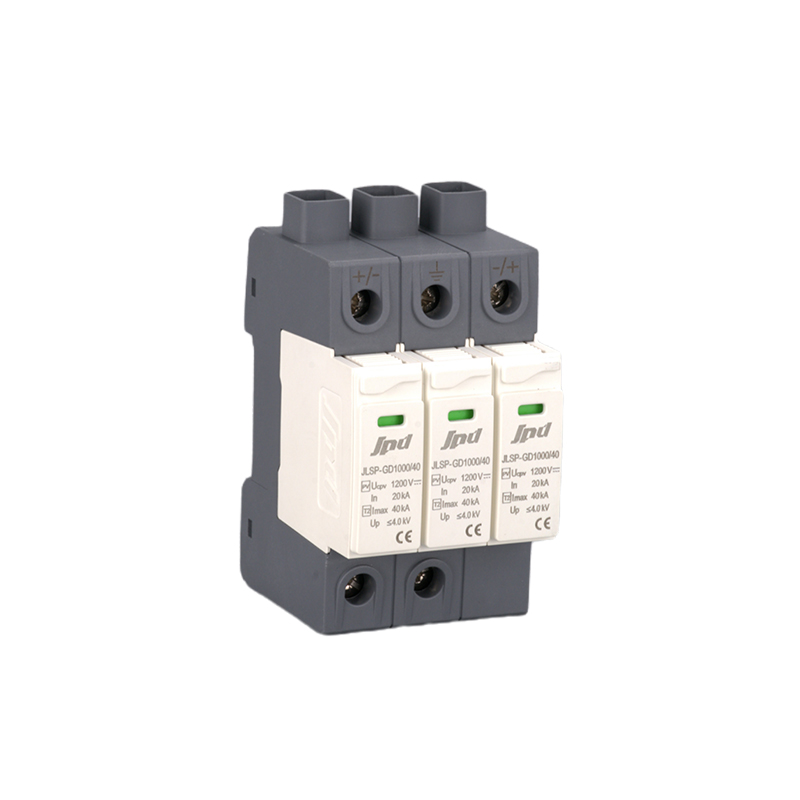
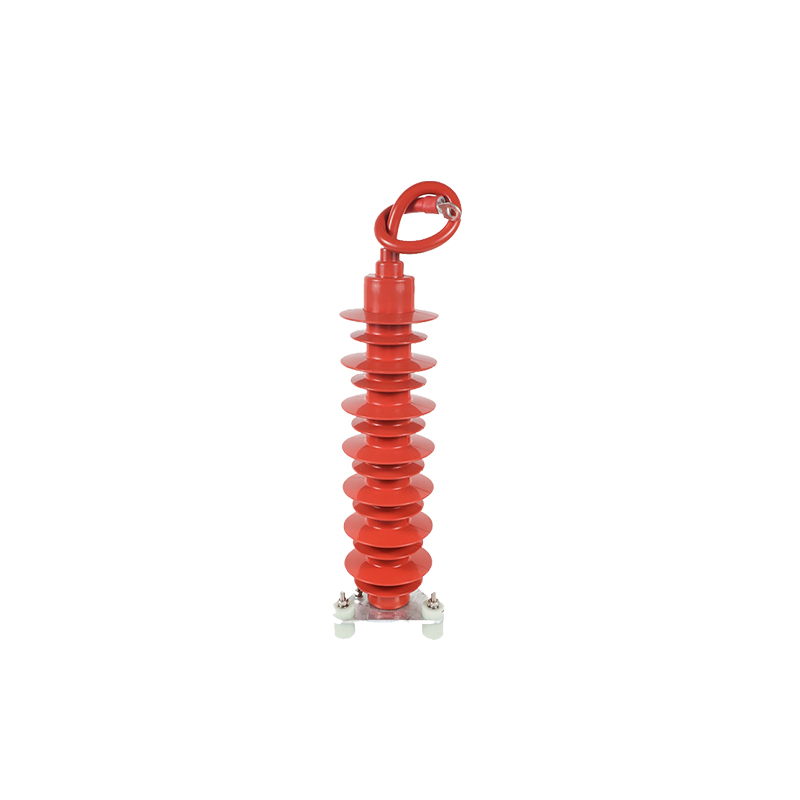
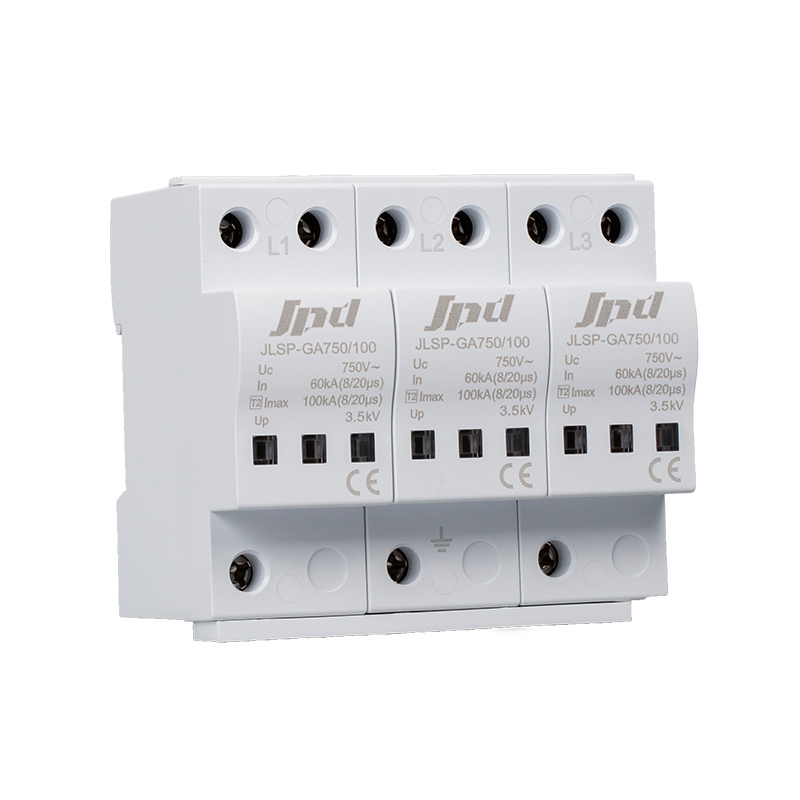
In the rail transit sector, the DC power supply system is the "energy hub" ensuring stable train operation. Whether it's a subway, light rail, or urban express rail, key components such as traction power supply, DC traction network, and regenerative braking circuit all rely on the reliable operation of the DC system. However, DC systems are susceptible to various overvoltage threats in actual operation, such as switching operation overvoltage, regenerative braking overvoltage, and lightning strike overvoltage. If these overvoltages are not suppressed in time, they can lead to equipment damage or, in severe cases, power outages and train stoppages. As a targeted overvoltage protection device, the DC surge arrester for rail transit, with its precise voltage limiting capability and rapid response characteristics, has become a core barrier protecting the safety of the DC system. Reasons for using DC power supply in rail transit Urban rail transit (metro, light rail, etc.) generally uses DC 750V or 1500V power supply, which is related to its short station spacing, frequent starts and stops, and limited line length. DC traction systems have advantages such as good speed regulation performance, large starting torque, and relatively simple control. At the same time, because of its relatively low power supply voltage and the inductive and loss-free transmission of DC power, it has high efficiency in short-distance transmission. In addition, its mature technology and low overall construction cost make it the mainstream choice for urban rail transit Installation location and reasons for DC surge arresters in subways The 1500V DC system for subways is not a single device, but a closed-loop system composed of four major components: high-voltage AC input, rectification and conversion, DC power distribution, and train current collection. In the subway system, the 1500V DC surge arrester is a key device for overvoltage protection. It is mainly installed inside the DC traction substation and at key nodes of the contact network (or contact rail) along the line, such as the end of the power supply section, the contact network entry point in the station yard, and the ground and elevated sections, to protect the rectifier units, DC switchgear, control and measurement devices, and the contact network itself. Although some sections of the subway are underground, the overhead contact lines in both the ground and elevated sections, being unshielded outdoor installations, are still vulnerable to lightning overvoltage threats: 1. Outdoor contact lines are susceptible to direct lightning strikes due to their exposed location, potentially injecting extremely large lightning currents; 2. Proximity lightning strikes can also induce high-amplitude pulse overvoltages in the contact lines; 3. Operational overvoltages generated within the system due to frequent train starts and stops, circuit breaker operations, and regenerative braking are also significant. DC surge a...